Your Agency in Change (Pt 1)

As communists, our focus is always on community. Organization, revolution, reconstruction, social welfare, so on and so forth. What often gets lost in the cracks, given our late stage capitalist society we all suffer through, is your agency to exact change immediately in your community. There's a few main arguments from those who actively discredit this agency: that doing so takes effort away or distracts from the main cause of communist revolution, or that your individual actions cannot exact change and that until more people are involved society wide, nothing will come of it. I'm here to dispel these arguments, but acknowledge where they originate from. As we go through this five part series, we will investigate what kind of change you can implement on your own or with limited members of your community, what impacts those changes have, why those arguments against this agency are incomplete or unfounded, and finally demonstrate to you how implementing this change can improve your own life and mental health, in addition to those around you in this capitalist hellscape.
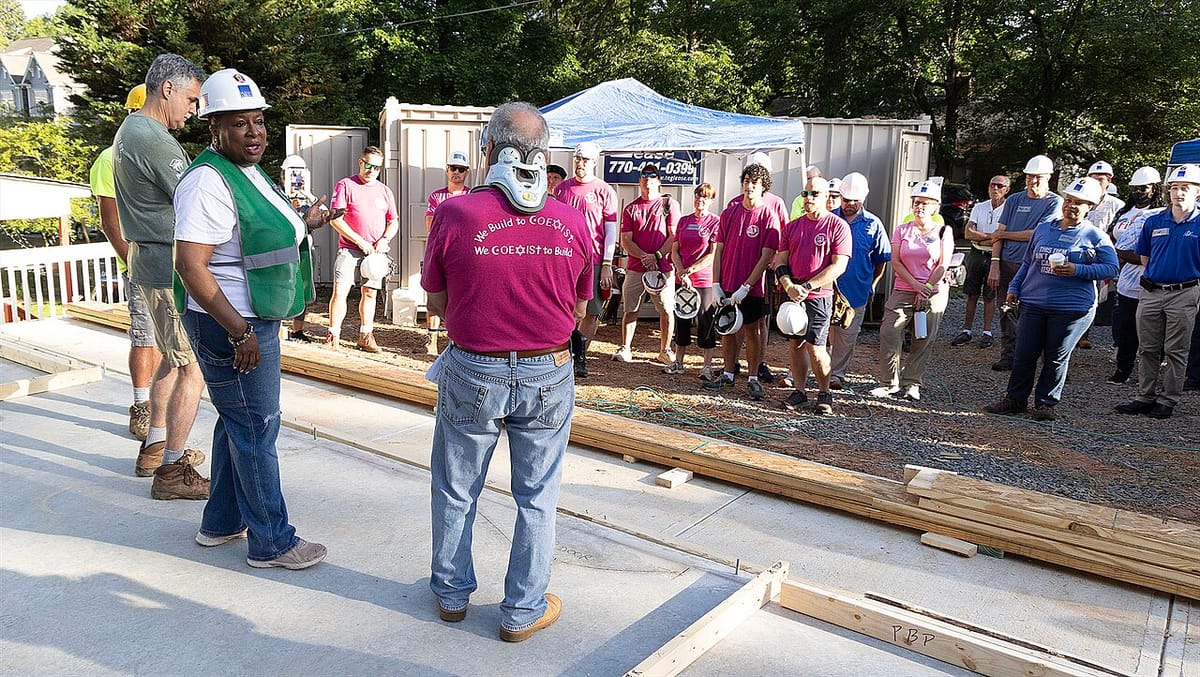
First, let's discuss what agency you have. Through acting in your community, you can create tangible results for an improvement to the quality of life for yourself and for your community, without needing to host a full revolution against the oppressive classes. It does need said that much of this change involves things that should be taken care of by the state, or by your community leaders, in a better system. However, we live in a world where capitalists control our governments, and control our systems, and therefore, these things are actively and deliberately neglected. As an individual, you have a significant amount of agency for change in your community. You might not be able to remove the capitalists by voting in capitalist elections, but you certainly can make life better for yourself and your neighbors. Volunteering is a primary method you can achieve this. Oftentimes, it does not require you to spend money, it directly impacts members of your community, and it can offer genuinely lifesaving care to those who need it. You can volunteer at local soup kitchens, homeless shelters, or other fields you are familiar with such as a local park improvement project. Volunteering can also look like offering your services to those in your local community, or outside of it, for free to reduce the burden they feel. Examples of this can include cleaning services such as offering lawn care or to clean a frequent illegal dump site in your community, or as an artist offering a few free commissions for people who otherwise might not be able to afford it.
Outside of volunteering your time or your skills, you do also have agency to exact change through your lived environment in the form of parks and infrastructure. You can engage in tactical urbanism, which is the idea that you use your own resources and your own time and research to implement a needed community asset, such as a painted crosswalk where one does not exist, to demonstrate that the change is beneficial, and try to sway public opinion in favor of it. Though, tactical urbanism can result in criminal charges, so if you do not wish to engage in that, you can engage in other community improvement projects. This can include attending town halls, canvassing your community for proposed changes to discourage NIMBYism (those who oppose projects on the basis they don't like new changes in their community), and dedicating your own efforts and money to purchase things like plants and aesthetic improvements to your neighborhood. Living in a place with good infrastructure, and aesthetically pleasing areas, have both been demonstrated to greatly improve things such as road related fatalities, mental health, and crime rates, among others. These are indeed things within your capabilities as an individual citizen. While you might not be able to force your city or town to built an amazing new metro system, or upgrade all your streets with safe biking infrastructure, you can improve, if even marginally, the quality of life in your environment.
Of course, prior to undertaking any sort of volunteer or vigilante urbanist projects, I stress that it is imperative that you investigate the legal framework of what you are doing, and take the proper precautions. Some volunteering projects require certain certifications, some localities punish tactical urbanism harshly, some plants and other aesthetic upgrades are illegal and invasive to your local environment, some gardening projects might encroach on buried wires or piping, so on and so forth. Inform yourself, but once informed, you can truly change your community for the better. If you take proper precautions, you can and will improve your community by doing what you are good at, and what you are passionate about. Overall, this part is not to discuss what specific things you must do, or conversely to limit you to a single option for change. You do not need to specifically volunteer at a soup kitchen to improve your community, but you can also do other things while you do. You, better than anyone else, know what you are good at and what you are capable of. Take that knowledge, and apply it to your community. Your neighbors might not care, they might be part of the problem that worsens your community, but don't forget for a second, you live there too. An improvement to your community benefits you too, even if it goes unappreciated. Your goals should always be making things better when you set out on this path, and having that goal in mind as you apply yourself will certainly give you the agency to create immediate and tangible change for yourself and your community, as well as for future generations that follow.
As you read this series, my goal is to express that small change is just as important as big change. Minor changes in local communities can and does become universal as the changes become pervasive. You might not topple capitalism, or take out billionaires, or give every homeless person an adequate home to live in, but you will certainly make an impact, and that is all that matters in this regard. Change does start small, and you have agency to act on that.
In Solidarity,
FurInform
[Sources will be included at the end of this 5 part series]