Holidays and Socialism


Recently we celebrated Dia de los Muertos (Dia de Muertos in some localities) here in Mexico. A bright and beautiful holiday celebrating ancestors and passed loved ones through festivities, offerings, graveyard visits, and more. Papel picados line the streets, vendors sell pan de muerto, every business and home has an ofrenda, the plazas are filled to the brim with colorful costumes and ornate face painting. It's a vibrant and beautiful way to celebrate what otherwise is considered a somber day.
Some socialists and communists might however take a different stance on the holiday. It being a realization of a fusion of the native Mayan and Aztec beliefs, syncretizing with that of the settler colonial Spanish Catholics in the establishment of Mexico. A holiday commemorating the colonization and subjugation of a continent of people. Therefore, as something we need to eradicate or replace through cultural revolution.
Similar things can be said about the upcoming Thanksgiving holiday in the United States. A celebration commemorating a New England community's survival against all odds thanks to help from Native Americans providing knowledge of cultivation of local crops. It has, unfortunately been used over the years as a beacon for American exceptionalism, and as a manifestation of the legitimate harm the American government and its preceding English colonial government's abuse of the Native Peoples. The holiday itself is from a different origin point from the later atrocities, but yet it is the beacon of a cultural issue on the matter of recognition and recompense of American Colonialism. It's been adopted by proponents of colonialism and those against colonialism both as a lightning rod of political issue. Despite this however, it still is a holiday celebrating community, getting together and eating food as a family or as friends or as a neighborhood. Setting aside differences and enjoying time with loved ones.
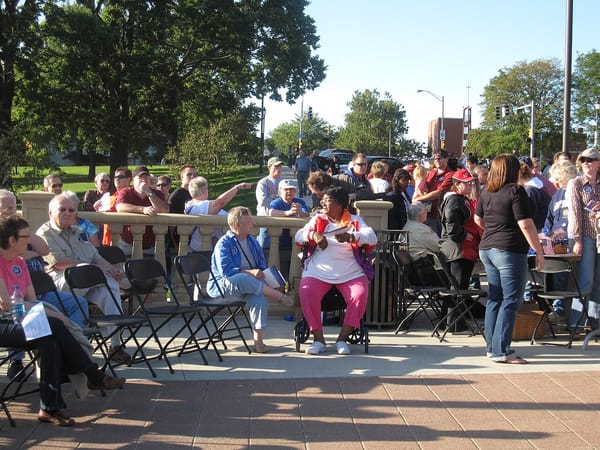
Holidays are something that, regardless of their origins, serve a communal purpose. Whether it be getting people together to eat turkey, or going with friends and family on La Caminata de las Animas or to watch a colorful parade, a social goal is achieved. Holidays are used across human culture as a way to embrace one another and honor those around us. Even socialist holidays serve this purpose. May Day being used to celebrate workers and provide and occasion to celebrate, International Women's Day to celebrate women's triumphs under socialism, and more. Coming together, for whatever purpose on a holiday, is something that builds strong bonds between community members, fights against isolation, and provides people an opportunity to be a piece of a whole. Socialism and Communist require this as well to ensure a strong community. In the USSR, communal centers (palaces of culture) were built to achieve a more decentralized version of this, in China, public holidays surrounding local religious beliefs are commonplace and unite their people, and in other socialist states, local holidays were embraced and celebrated to serve this purpose.
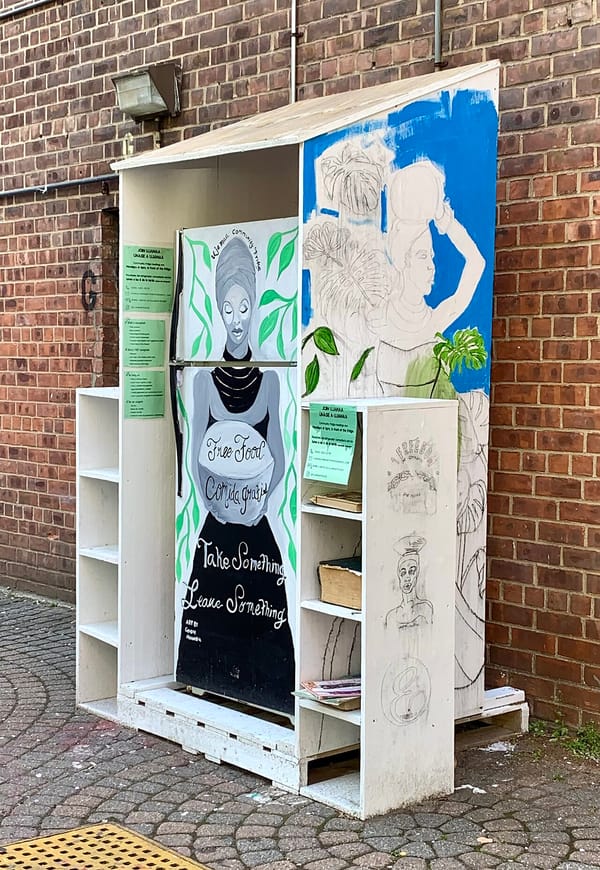
It is often a mistake of socialists and communists to view the holidays of the West, or non-socialist world, as ones needing correction. Dia de los Muertos being rooted in Catholicism, or Thanksgiving associated with the Mystic Massacre or the Great Swamp Massacre of the Pequot peoples. Christmas being a holiday tied to Christianity, Diwali with Hinduism, Ramadan with Islam, and more. It is understandable to view these days as "unevolved" from their colonial era and their religious roots. Not having been abandoned or improved when criticism of the colonial eras became mainstream, not having earned a non-capitalist or non-religious connotation in society despite widespread secularism and anti-capitalism, so on and so forth. But, it is equally as important for us to recognize the legitimate criticisms of these holidays as it is for us to recognize the social place they hold, and to openly understand why they still hold a place in society. Atheist Mexicans celebrate Dia de los Muertos as a day to spend with their families, eat good food, and decorate their houses with marigolds and papel picados. Anti-colonial Americans celebrate Thanksgiving as a holiday to see their family, share a good home-cooked meal with them, and catch up on lost time. Socialist organizations in both Mexico and the US frequently host things like soup kitchens and communal dinners, as well as offer spaces for ofrendas and free foods and offerings for those who can't afford them. This is a true homogenization of holidays and socialism.
Uniting an understanding of our past, of the flaws and true origins of holidays. Picking apart the false equivalences and the true harms of the holidays. Simultaneously however, understanding the social benefits. Not abandoning a holiday for the sake of its history, but using it as a point with which to build upon. Thanksgiving is a great time to discuss the treatment of the Native Americans that it claims to offer thanks to, but also still meet for a good meal with your community. Dia de los Muertos is a great day to discuss the original Mayan and Aztec beliefs that syncretized with Catholicism to give this variation of All Saints Day, but also an important one to go eat pan de muerto with family and leave an offering at your ancestor's grave. Socialists need not abandon or replace holidays to use them towards social progress, and working with them instead of against can be an amazing tool towards creating a better world with all included. Most Americans don't celebrate Thanksgiving because it is a racist colonialist narrative, they celebrate it because it's tradition. Do they know about the Mystic Massacre? Do they know about the Trail of Tears? Do they know about Geronimo's Last Stand? Maybe not. But an attack on Thanksgiving as a whole might push them to siding with those instead of welcoming an educational experience regarding them.
Embrace and cooperation with regards to cultural practices and traditions goes a long way to building a better world. Holidays are one aspect of culture at large, but they're an obvious one. I implore you to use the upcoming holidays as an exercise in meeting people where they are, in understanding the holidays on a deeper level, and as a tool to realize a better world, even if it's only one conversation at the dinner table. Educate yourself, and educate others, and you'll find people are much more willing to accept the facts of history than if you label them various terms because of their practices.
In Solidarity,
FurInform
Sources: (Wikipedia provided here to start one's research and understanding of these topics, I encourage everyone to read through the resources at the bottom of the Wikipedia pages for further information and more authoritative historical records)
https://en.wikipedia.org/wiki/Thanksgiving#In_the_United_States
https://en.wikipedia.org/wiki/Trail_of_Tears
https://en.wikipedia.org/wiki/Great_Swamp_Fight
https://en.wikipedia.org/wiki/Mystic_massacre
https://en.wikipedia.org/wiki/Geronimo_Surrender_Site
https://en.wikipedia.org/wiki/Day_of_the_Dead